



Fundación Renovables calls for the tax to apply only to generation from gas, oil, coal and nuclear power.
The Treasury is not merely a revenue-raising body, but a tool for advancing decarbonisation and the deployment of renewables.
This tax must help strengthen climate action, make progress in eradicating energy poverty and increase Europe’s energy sovereignty.
Madrid, 8 April 2026.- The creation of a new tax on the windfall profits of energy companies must be carried out without penalising renewable technologies such as wind and solar photovoltaic power. Fundación Renovables welcomes the proposal submitted to the European Commission by several governments, including Spain’s, but calls for it always to be designed to penalise electricity generation from fossil fuels and nuclear power.
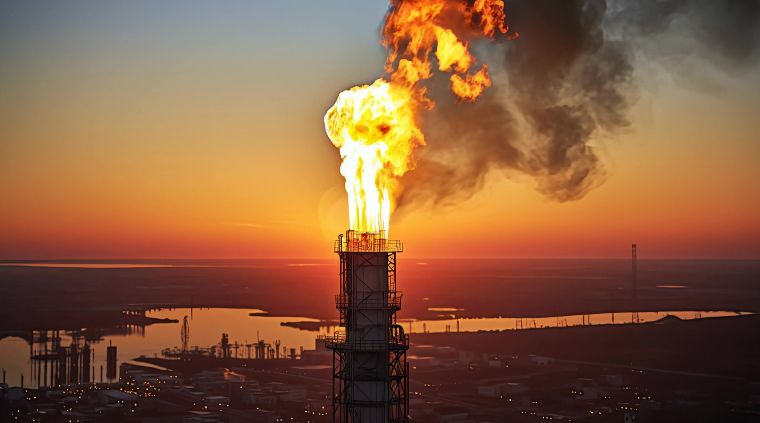
The tax burden must therefore fall on fossil fuel generation and on the taxable entities that benefit from their integrated position. In other words, the tax Brussels is proposing should focus not so much on who pays it, but on which activity generates the profit: in this case, energy generation from gas, oil, coal and nuclear power.
A tax on extraordinary profits — the so-called windfall profits generated by market power concentration and vertical integration in the energy market— if designed in a generic way, may be harmful to the energy transition, because it would tax a company’s overall profits, including those obtained through renewable technologies. This would discourage investment in technologies such as wind and photovoltaics, which have already proved essential not only in the fight against the climate crisis, but also in driving an energy system that is independent from the volatility of fossil fuel markets.
Fundación Renovables calls for this tax not to be designed in a generalised manner and for this situation to be used to tax only the part of companies’ income statements that comes from gas, nuclear power and oil, and from an energy model based on the concentration of power. This would be an appropriate way to increase revenue at a time of crisis, while encouraging companies to direct their investments towards clean technologies and increasing the energy independence of the European Union. The creation of this new tax must also help advance the fight against energy poverty.
From this perspective, we reiterate, as we already did with the creation of Royal Decree-Law 7/2026 on the response plan to the Iran war, that the design of the tax should include a reform of the IVPEE (Tax on the Value of Electricity Generation) so that it is differentiated and taxes fossil and non-renewable activities that heat the planet and increase electricity bills. In this regard, now is the right time to reduce indirect taxes on electricity, such as VAT or the IEE (Special Electricity Tax).
We recall that taxes do not merely have a revenue-raising purpose — especially when they apply to an essential good — but are the most powerful tool for transforming our energy model, incentivising investment in renewable technologies and changing consumption patterns. This must also be understood as a structural reform that goes beyond the short-term approach arising from the war in Iran. In other words, the proposal from Spain and four other countries must be more ambitious and respond to this moment in history, serving not only to raise revenue, but also to allow Europe to move towards a 100% renewable, independent and sovereign future.
MORE INFORMATION
Alejandro Tena, Head of Communications
(+34) 645 602 700
alejandro.tena@fundacionrenovables.org